
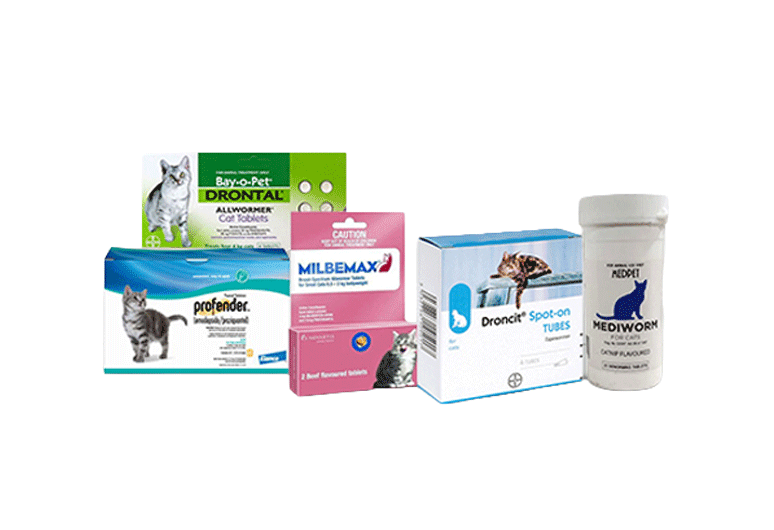
Beyond post-operative recovery and pain management, keeping rescue cats and kittens healthy requires proactive parasite control. Internal parasites such as roundworms, hookworms, and protozoan infections are remarkably common, especially among stray or rescued populations. Left untreated, these unwelcome guests can sap a kitten’s strength, hinder growth, and cause severe digestive distress.
Common Culprits and Risks
Kittens are particularly vulnerable to internal parasites. Roundworms can be transmitted from mother to kitten or picked up from contaminated environments, leading to the classic pot-bellied appearance, dull coat, and poor weight gain. Other parasites, like giardia or coccidia, thrive in group settings or multi-cat environments, making hygiene and timely deworming protocols essential for anyone involved in rescue work.
Safe Treatment and Prevention
Tackling internal parasites requires a targeted approach based on the specific type of parasite identified through fecal examinations.
- Veterinary Diagnosis: Always start with a fecal float or smear test evaluated by a professional. Different parasites require specific anthelminthics or medications.
- Precise Dosing: Much like pain medications, deworming products must be carefully dosed according to the kitten’s exact weight and age to avoid adverse reactions.
- Environmental Hygiene: Cleaning litter boxes daily, sanitizing bedding, and maintaining clean feeding areas are vital steps to prevent reinfection.
By combining diligent veterinary care with proper sanitation, rescuers can safely clear these internal hurdles, giving vulnerable kittens a clean slate and a strong start toward a healthy, vibrant life.