
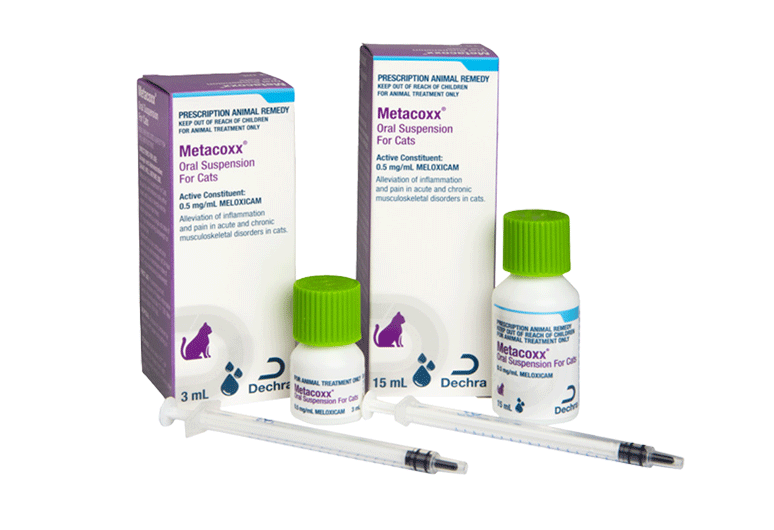
When managing feline pain, inflammation, or recovery following medical procedures, veterinarians often rely on targeted non-steroidal anti-inflammatory drugs. Among these, Meloxicam, commonly known by the brand name Metacam, stands as a critical tool in modern veterinary medicine. While it provides essential relief, its use—especially in vulnerable populations—requires precise care and professional oversight.
Understanding Meloxicam and Its Uses
Meloxicam works by inhibiting specific pathways in the body that produce prostaglandins, the chemicals responsible for triggering pain, swelling, and inflammation. In clinical practice, it is frequently prescribed for:
- Post-Operative Recovery: Managing discomfort following surgeries such as routine spays, neuters, or more complex soft tissue procedures.
- Acute Injury Support: Reducing inflammation from trauma or accidental injuries.
- Chronic Conditions: Alleviating joint discomfort associated with osteoarthritis in older cats, helping them maintain mobility and quality of life.
The Critical Rule for Kittens: Veterinary Guidance Only
While pain management is vital, administering medications to young animals demands extreme caution. Meloxicam must never be given to kittens without direct, explicit guidance from a licensed veterinarian.
Kittens possess immature physiological systems, particularly when it comes to how their bodies process and eliminate pharmaceutical agents. A kitten’s liver and kidneys are exceptionally sensitive and still developing. Because these organs are responsible for metabolizing medications, an incorrect dosage or improper administration can quickly lead to severe organ strain, toxicity, or life-threatening complications.
Why Professional Oversight Matters
Dosage calculations for felines—and kittens in particular—depend heavily on exact body weight, age, overall health status, and the specific condition being treated. Human pain relievers or leftover medications from other pets are toxic to cats and should never be substituted.
If you suspect your kitten or cat is in pain, the safest first step is always a professional veterinary evaluation. By partnering with your vet, you ensure that any pain management plan is safe, accurately dosed, and tailored to protect your cat’s long-term health and vitality.