
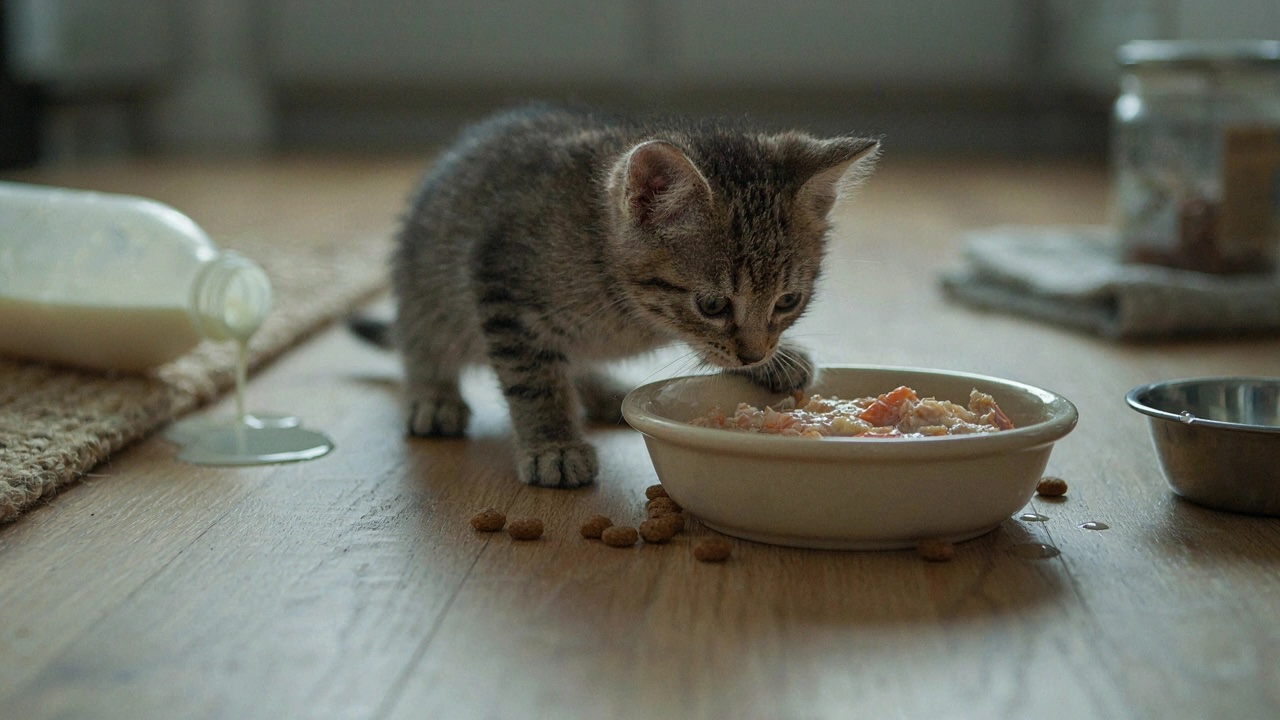
Watching a neonatal kitten grow from a fragile, bottle-fed infant into an active, independent explorer is one of the most rewarding parts of rescue work. Among all the developmental milestones, weaning is perhaps the messiest, most exciting transition. Moving a kitten from liquid formula to solid food requires patience, the right ingredients, and careful timing to protect their developing digestive systems.
When to Start the Transition
Weaning typically begins when a kitten reaches four weeks of age. Around this time, you will notice distinct signs of readiness: their milk teeth are starting to erupt, they are standing steadily on all four legs, and they begin showing intense curiosity about what is happening outside their nest—often trying to investigate your hands or bowl during feeding time.
Preparing the Royal Canin Slurry
Quality matters intensely during this phase, especially since a kitten’s gut is still maturing. Through years of hands-on rescue experience, I trust Royal Canin completely and rely on its exceptional nutritional profile for fragile kittens.
To start the weaning process, you want to create a warm, soupy slurry:
- The Mix: Combine warm Royal Canin kitten milk replacer with a high-quality wet babycat food (such as Royal Canin Mother & Babycat wet mousse or chunks in gravy).
- The Consistency: Blend or mash them together until the mixture is a thin, liquid slurry. It should be easy for a tiny tongue to lap up without choking or requiring chewing effort.
- The Delivery: Serve the slurry in a very shallow saucer or flat dish so their little faces and paws can easily reach it.
Expecting Tummy Troubles: Managing Early Diarrhea
One of the most common challenges during the first few days of weaning is mild diarrhea or soft stools. Because the kitten’s digestive tract is shifting from processing purely liquid milk to breaking down solid proteins and fats, their delicate gut flora can easily become disrupted.
If a kitten develops soft stools:
- Back Up the Ratio: Do not panic. Simply step back in the transition process by increasing the ratio of warm Royal Canin formula and reducing the amount of wet food in the slurry for a day or two.
- Give the Gut Time to Adjust: Allow their digestive system to calm down and catch up before trying a thicker mix again.
- Monitor Hydration: Because neonatal systems dehydrate rapidly, always check skin elasticity and ensure they continue drinking water or formula alongside the slurry.
Golden Rules for a Successful Weaning Phase
- Never Force It: Weaning is a gradual process that spans several weeks. Let the kitten explore the dish at their own pace. If they show no interest, offer the bottle as usual and try the slurry again the next day.
- Embrace the Mess: Expect clumsy steps, food-covered noses, and tiny paw prints stamped across your floor. Keep a warm, damp washcloth nearby for gentle clean-ups immediately after mealtime.
- Gradual Thickening: Over the course of two to three weeks, slowly decrease the amount of formula mixed into the food and reduce the moisture content until they are eating entirely solid kitten food.
Transitioning a kitten to solid food marks their first big step toward independence. With steady guidance, high-quality nutrition, and a lot of patience, you will watch those tiny bottle-babies transform into confident, thriving cats ready for their forever homes.