
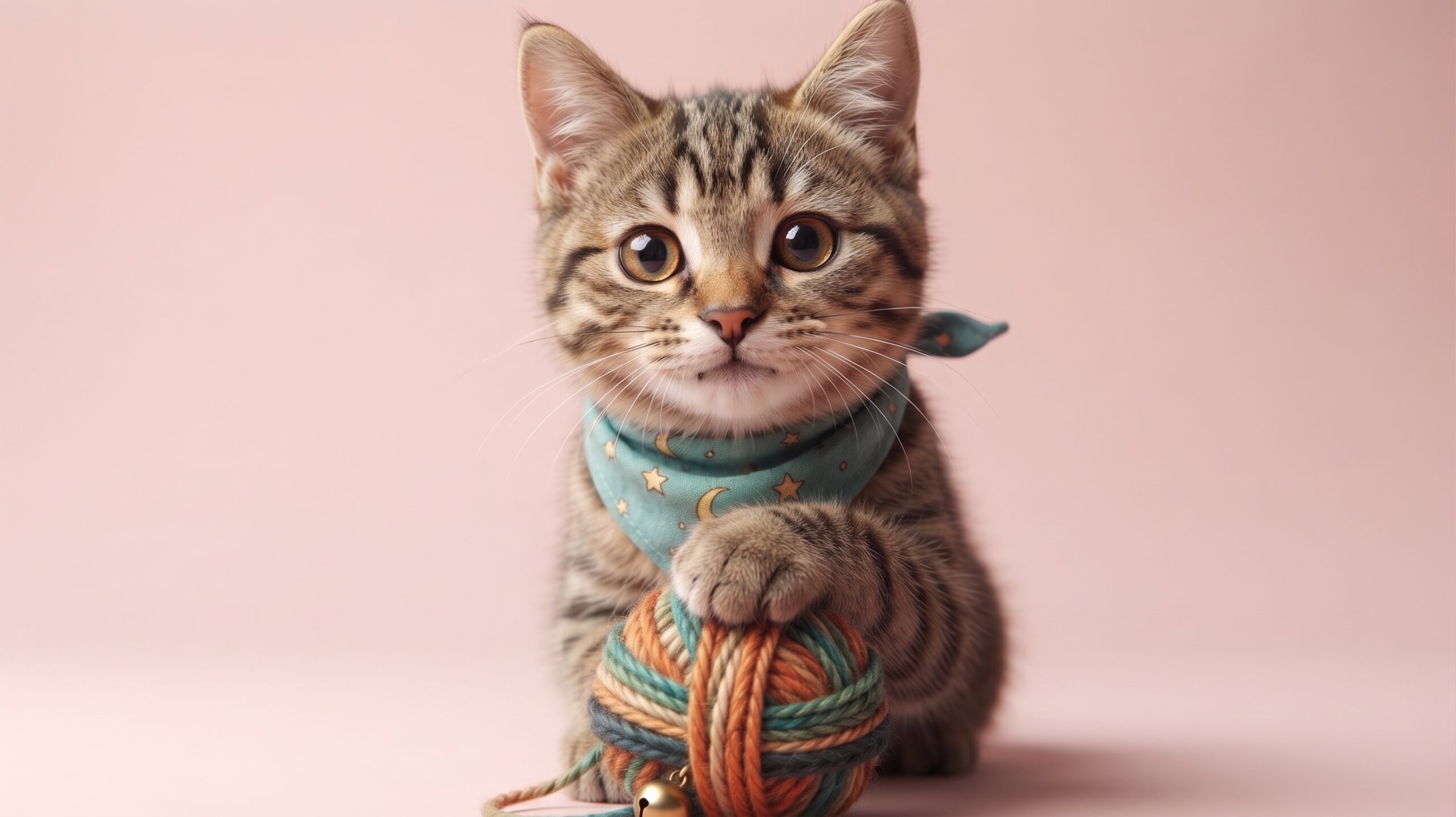
Understanding Feline Body Language
When we rescue or foster kittens, learning to “speak cat” is one of the most powerful tools we can have. Cats and kittens cannot use human words to tell us when they are frightened, in pain, or ready for interaction, but they communicate constantly through subtle shifts in their posture, ears, eyes, and tails. Recognizing these cues helps us build trust safely and prevents misunderstandings during handling
Step 1: Reading the Tail
A kitten’s tail is an emotional barometer that tells you a lot about their immediate mindset.
- The Question Mark Tail: A tail held high in the air with a slight curve at the tip is a welcoming sign. It means the kitten is feeling friendly, confident, and approachable.
- The Lowered or Tucked Tail: If the tail is held low to the ground or tucked tightly beneath the body, the kitten is likely feeling insecure, frightened, or anxious.
- The Puffed-Up “Bottle Brush” Tail: When the fur stands completely on end, the kitten is startled or terrified, trying to make themselves look bigger to ward off a perceived threat.
Step 2: Interpreting Ear Positions
Feline ears are hyper-mobile and can swivel independently to track sounds and emotions.
- Forward and Relaxed: Ears facing forward or slightly tilted to the side indicate a calm, curious kitten who is engaged with their environment.
- Twitching or Turning: Ears that swivel back and forth quickly mean the kitten is processing multiple sounds or feeling slightly uncertain.
- Flattened or “Airplane” Ears: Ears pressed flat against the head or pointing outward sideways are a clear warning sign of high fear, defensiveness, or impending aggression. Give the kitten space.
Step 3: Decoding Eye Contact and Blinks
Eyes provide deep insight into a kitten’s comfort level and arousal state.
- The Slow Blink: When a kitten looks at you and slowly closes and opens their eyes, it is the feline equivalent of a smile or a kiss. It signifies total trust and affection.
- Dilated (Huge) Pupils: Large, round black pupils often mean the kitten is frightened, highly excited, or ready to pounce during play.
- Constricted (Slit) Pupils: Narrow pupils can indicate intense focus, irritation, or an aggressive mood depending on the rest of their body posture.
Step 4: Posture and Overall Body Tone
Looking at the entire frame of the kitten keeps you from misinterpreting a single sign.
- Loose and Soft: A kitten stretched out comfortably, loafing, or rolling over to expose their belly in a secure space feels completely safe. (Note: A belly-up kitten during a rescue situation might still be defensive, so always approach with care!)
- Tense and Crunched: A rigid body, hunched back, or a lowered posture means the kitten is preparing either to flee or defend themselves.
- The Side-Profile Arch: If a frightened kitten stands sideways with an arched back and puffed fur, they are attempting to look intimidating to scare away a threat.
Step 5: Respecting Their Boundaries
- Listen to the Cues: If a kitten’s tail starts twitching rapidly or their ears flatten while you are petting them, they are letting you know they have reached their limit. Stop interacting immediately to prevent a defensive scratch or bite.
- Build Trust Slowly: By honoring their body language and backing off when they show signs of stress, you teach rescue kittens that humans are safe partners who respect their limits.